

 Mental Health and Accutane: Research, Risks, Support
Understanding Accutane: How It Affects Brain Chemistry
I started treatment with a mix of hope and caution, learning that a skin medication can reach the brain. Isotretinoin influences neuronal activity indirectly through immune signaling, hormonal shifts, and effects on serotonin pathways. Research suggests it may alter synaptic plasticity and neurogenesis in regions tied to mood, potentially heightening vulnerability to depression or anxiety for some people.
Mechanisms remain incompletely understood, so clinicians recommend baseline screening and close monitoring during therapy. Dose, treatment length, genetic and psychosocial factors likely modify risk. If mood shifts, immediate communication with prescriber and support network is essential. Early recognition, documentation, and a collaborative plan can reduce harm while balancing benefits for severe, treatment-resistant acne over weeks and months.
| Pathway | Possible effect |
|---|---|
| Serotonin signaling | Mood changes, decreased resilience |
| Neuroinflammation & neurogenesis | Altered synaptic function |
| Hormonal/immune shifts | Variable mood responses |
Research Review: What Studies Say about Risks

Clinical research on accutane and mental health reads like a complex story: case reports and small series raised alarms, while larger epidemiological studies and meta-analyses offer mixed findings. Some investigations suggest a modest increase in depressive symptoms or suicidality for a minority of patients, but others find no causal relationship once acne severity and other confounders are accounted for.
Because randomized trials specifically designed to test psychiatric outcomes are limited, interpreting risk requires caution; absolute risk appears low, yet vigilance matters. Clinicians are advised to screen regularly, document mood changes, and weigh personal psychiatric history when prescribing. Patients and families should be informed about warning signs and encouraged to report any mood shifts promptly immediately.
Recognizing Warning Signs: Mood Changes and Behavior
She woke feeling flat for days, a bright life dulled while on accutane. Small joys lost and mounting irritability felt foreign, prompting concern and careful self-monitoring.
Watch for persistent sadness, panic, severe mood swings, sudden aggression or withdrawal, changes in sleep or appetite, and intrusive thoughts. These signs deserve prompt attention from a clinician or loved ones.
Keep a symptom diary, share observations honestly with your dermatologist and therapist, arrange crisis contacts, and never ignore suicidal talk. Immediate help reduces risk and guides safe medication decisions and timely intervention possible.
Risk Factors: Who Might Be More Vulnerable
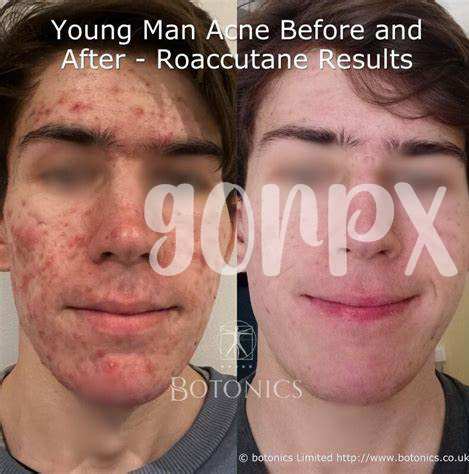
Imagine waking to shifts in mood during treatment: those with prior depression or anxiety, a family history of suicide, or traumatic stress are often more sensitive. Adolescents and young adults, people using alcohol or drugs, and patients on high dose or long duration accutane treatment may notice stronger emotional changes.
Close monitoring, honest communication with prescribers, and social support can reduce harm. Routine screening before and during therapy helps identify troubling shifts; immediate contact with a clinician or crisis services is critical for any suicidal thoughts. Early intervention prevents escalation.
Communication Strategies: Talking with Doctors and Loved Ones
I remember sitting with a friend as she considered starting accutane; frank questions made the appointment less scary. Bring notes about mood history, medications, and stressors — concrete details help clinicians assess risk efficiently.
When talking to your doctor, name specific symptoms (sleep change, withdrawal, suicidal thoughts) and timeline. Ask how monitoring will work and request a safety plan; request regular check-ins and written instructions to share with loved ones.
With family, use calm, honest language: explain the treatment, possible mood effects, and signs to watch for. Assign simple roles (who calls the clinician, who stays overnight) so support feels manageable rather than overwhelming.
If concerns arise, escalate quickly: contact your prescriber, emergency services, or a crisis line. Keep a short list of contacts and warning signs visible.
| Who | How |
|---|---|
| Prescriber | Phone |
| Friend | Neighbor |
| Therapist | |
| Hotline | Text |
| Family | Call |
Support Options: Treatment, Therapy, and Safety Planning
A patient described sudden mood shifts while on isotretinoin, prompting an urgent visit. Clinicians can assess risk, consider psychiatric referral, and discuss medication changes or temporary discontinuation with careful monitoring and collaborative decision-making with family.
Therapy options—like cognitive behavioral therapy, interpersonal therapy, or trauma-informed counseling—offer coping tools and emotion regulation skills. Remote sessions and peer support groups increase access, while early engagement improves outcomes through consistent attendance and goal-setting practice.
Creating a safety plan helps translate concern into concrete steps: identify warning signs, list supportive contacts, and include emergency numbers and local crisis resources. Restricting access to lethal means and scheduling check-ins can prevent escalation.
Recovery combines medication management, psychotherapy, and social supports. Regular monitoring by dermatology and mental health teams detects relapse early. Encourage honest conversations, document changes, and remember timely help commonly leads to meaningful improvement and safety.