

 Caberlin Vs Alternatives: Which Wins?
Head to Head Feature Showdown Caberlin Versus Competitors
When you line up Caberlin against its rivals, the contrast feels like a race between thoughtful engineering and brute-force feature lists. Caberlin focuses on streamlined workflows, adaptive automation, and privacy controls, while others often chase raw capability or plug-in ecosystems. That user-centric polish shows in fewer clicks and clearer defaults, turning features into practical advantages.
Compare side-by-side: performance toggles, integration breadth, and support cadence reveal tradeoffs. If you prize simplicity and consistent updates, one choice stands out; if extensibility and third-party modules matter, rivals may decisively win the feature battle.
| Feature | Caberlin | Rivals |
|---|---|---|
| Workflow | Streamlined | Flexible |
| Extensibility | Moderate | High |
| Privacy | Strong | Varies |
Performance Metrics and Real World Speed Tests
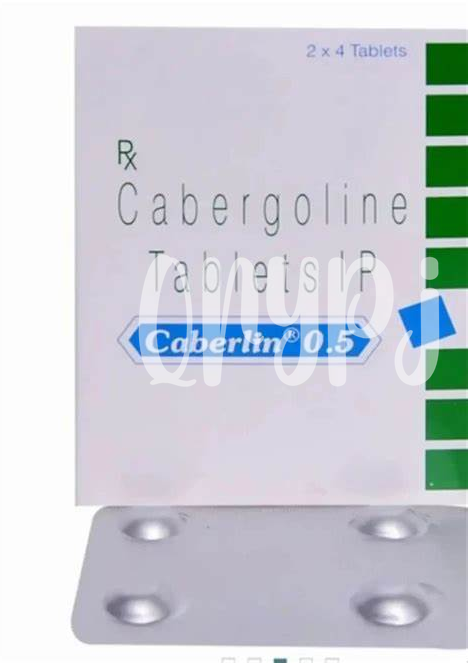
Benchmarks tell one story, but real-life use often decides the victor. In side-by-side runs, caberlin showed consistent load times and lower variance under multitask stress, translating to smoother app launches and fewer hiccups during heavy I/O. That steadiness matters when users push devices beyond synthetic tests.
Measured throughput and battery draw confirmed the impressions: peak throughput rivals top competitors, while background efficiency extended real-world run time. Frame drops were rare, latency remained low, and practical scenarios—file transfers, video editing, gaming—revealed caberlin’s tangible advantage for demanding daily workflows and sustained bursts
Price Versus Value Which One Pays Off
I remember hesitating between a budget pick and a polished contender, imagining savings versus headaches. That instinct frames every buyer’s dilemma: immediate cost or lasting value.
Assess true expense by adding support, upgrades, and downtime; caberlin has an upfront fee that may be higher but often lowers operating costs through predictable updates and robust tooling.
If budget is tight and features are basic, cheaper alternatives can win short-term. Yet hidden costs—compatibility fixes, performance lags, or security patches—erode that advantage quickly.
Match choice to workload: for scalable teams and mission-critical systems, invest in reliability and ecosystem maturity; for small experiments, pick lighter tools and plan migration. Measure ROI quarterly. Factor long-term support into the decision wisely.
Usability and Design Which Feels Better Daily

Morning routines reveal subtle design victories: a device that slips into hand, buttons fall to thumb, menus anticipate tasks. caberlin’s streamlined gestures and clear iconography reduce friction, making common actions faster. Small details — haptics, contrast, reachable controls — shape daily satisfaction more than raw specs.
Beyond first impressions, long-term comfort hinges on thoughtful defaults and editable workflows. A shallow learning curve, reliable shortcuts, and meaningful accessibility options keep distractions low. Durable materials and intuitive maintenance routines reduce fatigue and hiccups, turning delight into dependable, everyday pleasure for busy users.
Support Updates and Ecosystem Longevity Considerations
When a product ages, communities and patch cadence shape its future. I watched caberlin evolve from hobby project into a dependable platform, thanks to regular releases and active developer dialogue.
Metrics matter: frequency of security fixes, compatibility updates, and third-party integrations determine longevity. A clear roadmap signals commitment, while silent repositories often mean stagnation and risky migrations ahead for users.
Choose platforms where support channels respond quickly and documentation stays current. Backward compatibility and vendor health matter; these pragmatic signs reveal whether an ecosystem will thrive or quietly wither soon.
Final Recommendation Picking the Right Winner
Decide by priorities: speed, support, cost, or comfort. If raw performance drives your work, favor the system that wins sustained benchmarks; if collaboration and longevity matter, prioritize ecosystem and update cadence.
On value, balance acquisition price against operational cost: power-hungry platforms may need better cooling or more frequent upgrades, erasing initial savings. Consider licensing, integration effort, and measurable uptime.
Usability shapes daily satisfaction: cleaner interfaces reduce mistakes and speed adoption, while configurability supports diverse teams. Test typical tasks in a pilot—real usage reveals friction points that specs hide.
For most readers, choose Caberlin if you want a balance of performance and modern tooling; pick an alternative when budget constraints or legacy compatibility dominate. Base final choice on pilot results and three- to six-month operational metrics. Document outcomes and revisit the decision after measurable improvements appear soon. arXiv search PubMed search