

 Cephalexin Vs Amoxicillin: Antibiotic Comparison Guide
How They Work: Mechanisms and Drug Classes
In clinical practice two familiar oral antibiotics pursue the same goal: weaken bacterial defenses. Cephalexin is a first generation cephalosporin and amoxicillin is an aminopenicillin. Both belong to the beta lactam family.
They act by binding penicillin binding proteins and inhibiting peptidoglycan crosslinking, which destabilizes the cell wall and leads to bacteriolysis during growth. This mechanism makes them bactericidal rather than merely bacteriostatic.
Structural differences change their spectra. Cephalexin tends to resist some beta lactamases and favors gram positive cocci. Amoxicillin extends activity to certain gram negative rods and is often combined with clavulanate to overcome beta lactamase producing strains.
Understanding these classes helps clinicians choose therapy based on likely pathogens, resistance risk, and patient factors. The shared beta lactam core explains similar adverse effects and allergy concerns, but clinical context directs the final choice and antimicrobial stewardship guides practice.
Comparing Bacterial Coverage and Common Uses
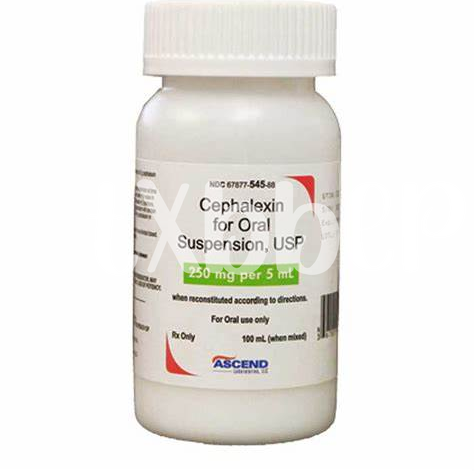
A busy clinic morning reminded me why antibiotic choice matters. Cephalexin covers many skin and soft tissue infections caused by streptococci and methicillin-sensitive staphylococci, offering reliable oral therapy for adults.
Amoxicillin excels against common respiratory pathogens like Streptococcus pneumoniae and otitis media organisms; combined with clavulanate it gains activity against beta-lactamase-producing strains, broadening practical outpatient use in children and adults.
Choice hinges on infection site, likely pathogens, allergy history, and local resistance patterns. For uncomplicated urinary or skin infections cephalexin or amoxicillin may be appropriate with guidance from experienced clinicians
Dosing Differences, Routes, and Practical Tips
Prescribers tailor dosing to infection severity and patient factors; children often get weight-based regimens while adults use fixed doses. Cephalexin is typically dosed every six to twelve hours depending on formulation and infection, and oral amoxicillin allows flexible schedules.
Adjust doses for renal impairment, measure suspensions precisely, and take amoxicillin with food if it upsets your stomach; cephalexin can be taken with or without food. If you miss a dose, take it soon unless the next dose is near. Finish therapy and consult your clinician for dosing questions and monitoring
Side Effects, Allergies, and Safety Considerations

Patients often notice mild digestive upset when starting oral antibiotics; nausea, diarrhea, and altered taste are common but usually transient. Taking food can reduce stomach irritation, and maintaining hydration helps manage these predictable effects comfortably.
True allergic reactions, such as rash, hives, or anaphylaxis, demand immediate attention and discontinuation. Cross-reactivity between penicillins and cephalosporins is low but not zero; document histories, consider allergy testing, and consult allergy specialists when uncertain.
Renal function affects elimination for many beta-lactams, so dose adjustments are important in older adults or those with kidney impairment. Cephalexin requires caution and dosing changes with decreased creatinine clearance to avoid accumulation and toxicity.
Drug interactions are uncommon but possible with concurrent probenecid or warfarin therapy; review medications before prescribing. Encourage completing the full course, use probiotics for antibiotic-associated diarrhea, and seek care for fever, severe rash, or symptoms.
Resistance Patterns, Drug Interactions, and Testing
Microbial shifts influence which agent will work; cephalexin can be rendered ineffective by beta-lactamase producers, so local susceptibility trends guide empirical choices. Surveillance data and antibiograms matter.
Drug combinations and patient factors change exposures: renal impairment raises exposure, and concurrent nephrotoxins require caution. Always review full medication lists and counsel patients. Pharmacokinetic interactions are uncommon but possible; discuss OTCs and herbal remedies.
Laboratory testing—culture, sensitivity and rapid molecular assays—turns guesswork into targeted therapy, enabling de-escalation and stewardship that slow resistance at the community level. Quick diagnostics reduce inappropriate broad-spectrum use. This protects future patients and preserves antibiotic efficacy globally.
| Test | Purpose |
|---|---|
| Culture | Identify organism |
| Sensitivity | Guide therapy |
Choosing between Them: Clinical Scenarios and Guidance
When a patient arrives with a skin infection or earache, choosing cephalexin or amoxicillin hinges on likely organisms and allergy history. Cephalexin, a first‑generation cephalosporin, often covers staphylococci and streptococci better, while amoxicillin is strong for many streptococcal and susceptible gram‑negative respiratory pathogens. Clinical context directs choice.
Treat uncomplicated otitis or dental infections with amoxicillin when typical respiratory flora are suspected; choose cephalexin for uncomplicated cellulitis or when MSSA is likely. Dosing convenience, patient allergies, renal function and local susceptibility typically inform duration and route—short courses for mild infections, IV therapy for severe disease.
When penicillin anaphylaxis is documented, avoid both and seek alternatives; when cultures are available, de‑escalate based on susceptibilities. For pregnant or pediatric patients balance efficacy and safety, and involve local antibiograms and specialists for unusual or resistant infections and rapid diagnostics too. PubChem cephalexin NHS cephalexin