

 Pregnancy and Clindamycin: Safety and Alternatives
How Clindamycin Works and Its Pregnancy Implications
I picture a worried parent reading a leaflet; clindamycin works by blocking bacterial protein synthesis to stop infections that might threaten pregnancy.
Clinicians choose it for certain skin, dental, and gynecologic infections when penicillins aren’t suitable; its ability to reach tissues matters in pregnancy care.
Evidence suggests relative safety for short courses, but gastrointestinal upset and rare C. difficile risk exist; fetal exposure is usually limited by placental transfer patterns.
Shared decisions weigh infection severity, alternatives, and timing; always discuss benefits and risks with your clinician to tailor safe care.
Evidence Snapshot: Safety Data for Mother and Baby

Facing an infection during pregnancy can feel alarming, but research offers cautious reassurance. Large observational studies have not found a consistent link between prenatal clindamycin exposure and major birth defects, and registry data suggest risks are low. Randomized trials are limited, however, so clinicians rely on clinical experience and condition-specific evidence when recommending treatment for skin, dental, or pelvic infections.
When medications are needed, the decision balances maternal benefit and fetal safety; adverse events like maternal gastrointestinal upset or rare neonatal complications are monitored. Shared decision-making, appropriate dosing, and short courses minimize risk. If concerns persist, clinicians may choose alternative agents with stronger pregnancy data, but many specialists consider clindamycin a reasonable option when indicated.
When Doctors Prescribe Clindamycin during Pregnancy
When infection threatens mother or fetus, clinicians sometimes choose clindamycin because it targets anaerobic bacteria. It’s often used for bacterial vaginosis, skin and dental infections and as an alternative for group B strep if allergic to penicillin. Doctors assess gestational age, infection severity and susceptibility before prescribing.
The decision balances maternal benefit and fetal safety; clindamycin is chosen when oral or IV therapy is needed and other options aren’t suitable. Close monitoring for response and side effects helps ensure outcomes. Patients should discuss alternatives and risks with their care team.
Side Effects to Watch for and Manage
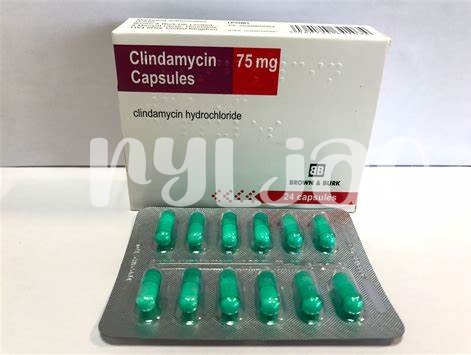
When taking clindamycin during pregnancy, expect common effects like nausea, abdominal cramping and diarrhea; many resolve with supportive care, but persistent or severe symptoms deserve prompt medical attention for safety.
Allergic reactions like hives, facial swelling or breathing difficulty require stopping clindamycin and emergency care. Also report prolonged watery diarrhea, fever, or intense abdominal pain to rule out C. difficile.
To manage milder effects, stay hydrated, eat small bland meals, and consider probiotics after discussing with your clinician. Seek guidance for yeast overgrowth or if symptoms worsen to adjust treatment.
Top Safer Antibiotic Alternatives to Consider
During pregnancy, choosing an antibiotic balances efficacy and fetal safety. Clinicians often prefer agents with long safety records over options like clindamycin unless clearly indicated.
| Antibiotic | Notes |
|---|---|
| Amoxicillin | Generally safe |
| Cephalexin | Skin or UTI |
| Azithromycin | Use when necessary |
Common safer alternatives include penicillins such as amoxicillin, cephalosporins like cephalexin, and selected macrolides when appropriate. Each choice depends on infection type, trimester, and resistance patterns.
Talk openly with your provider about risks and benefits, allergy history, and alternatives; this shared decision approach keeps mother and baby central to treatment choices.
Shared Decision-making: Questions to Ask Your Doctor
When facing an infection during pregnancy, a short conversation can shape both safety and comfort. Start by asking why this antibiotic is recommended over other options.
Ask about the benefits and possible risks to you and the fetus, expected duration of therapy, and whether testing (e.g., cultures) could tailor treatment to reduce exposure.
Discuss common side effects and signs that require urgent care, plus monitoring plans like follow‑up visits or labs to ensure both maternal response and fetal well‑being.
Share your values, ask for written instructions and contingency plans, and confirm follow‑up timing. If uncertain, request alternatives and documentation to take home. Ask your clinician to review these sources with you. Trusted resources: MedlinePlus MotherToBaby