

 Clonidine Patch Vs Oral — Choosing the Right Formulation
Pharmacokinetics: Patch Versus Oral Absorption and Distribution
Imagine a steady whisper of medicine through the skin versus a quick oral pulse into the gut; both deliver clonidine to the body but travel different roads. Transdermal delivery bypasses first pass hepatic metabolism, offering more consistent plasma levels, while oral absorption is faster but subject to variable gut and liver processing.
Distribution also differs: the patch maintains gradual uptake creating steady tissue exposure, reducing peaks that can trigger adverse effects. Oral dosing can reach higher peak concentrations in plasma and brain quickly, which may be useful or problematic depending on therapeutic goals and patient sensitivity.
Choosing between them hinges on goals: need for stable baseline control favors the patch, while desire for rapid titration or short courses often leads clinicians to choose oral therapy. Clinical context and monitoring determine which distribution profile best suits patients.
| Route | Bioavailability |
|---|---|
| Patch | Consistent |
Speed and Duration: Onset, Peak, and Steady Levels
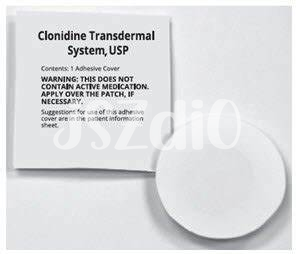
Oral clonidine is absorbed through the gut, with onset typically within 30–60 minutes and effects reaching peak within a few hours afterwards.
By contrast, the transdermal patch releases clonidine slowly; steady plasma concentrations develop over days, minimizing peaks and reducing daily variability between dosing intervals.
Clinical impact matters: rapid oral onset suits acute elevations, whereas patch steadiness favors chronic management and smoother nocturnal blood-pressure coverage and adherence.
Choice depends on goals: balance speed versus steadiness, discuss lifestyle, side-effect tolerance and monitoring with clinicians to tailor clonidine regimen safely for you.
Dosing Flexibility: Titration, Missed Doses, and Adjustments
When introducing a new regimen, patients and clinicians often weigh how easy it is to fine‑tune therapy. Transdermal systems deliver clonidine at a steady rate, so adjustments mean swapping patch strength or changing wear time, which smooths plasma fluctuations but gives less granular control. Oral tablets allow precise, incremental dose changes and faster reversibility, but they demand closer follow‑up because blood levels rise and fall with each dose.
Missed treatments also differ: a missed patch is often replaced as soon as noticed to restore steady exposure, while a missed pill can usually be taken when remembered unless the next dose is near. Titrations for special populations—children, the elderly, or those with renal impairment—need smaller steps and slower changes to avoid hypotension or withdrawal. Clinical guidance and monitoring remain essential during any adjustment. Shared decision‑making supports safe, individualized, evidence‑based choices always.
Side Effects and Safety: Systemic Versus Local Reactions
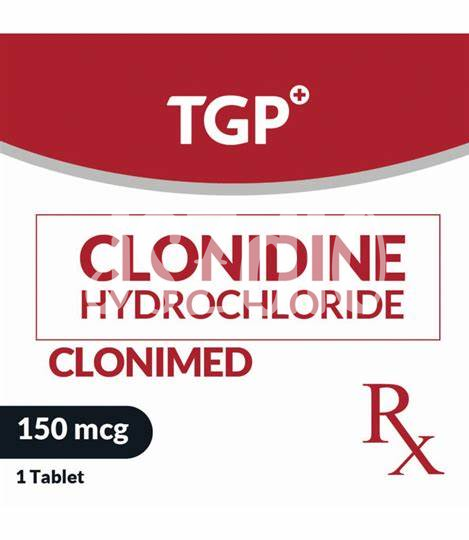
When choosing between patch and oral therapy, imagine two routes delivering the same agent but with different footprints. The oral tablet gives rapid systemic exposure; effects and adverse reactions like dry mouth, drowsiness, or dizziness can be felt. The patch releases clonidine slowly, lowering peaks and reducing systemic spikes.
Patches introduce local considerations: skin irritation, contact dermatitis, or pruritus at the application site can limit use. Those reactions are usually mild and resolve after removal, but they may require switching sites or discontinuing transdermal treatment.
Safety decisions weigh systemic risk versus local tolerability; patient history, concomitant drugs, and monitoring determine the best choice. For many, steady transdermal delivery improves tolerability, but individualized assessment remains essential.
Practicality: Adherence, Convenience, and Everyday Use
Patients often weigh daily routines against medical needs, imagining where therapy fits into work, sleep, and travel. A steady regimen can feel reassuring, but convenience shapes outcomes as much as pharmacology.
Transdermal delivery reduces pill burden and supports adherence; clonidine patches require weekly application but avoid daily remembering. Small interruptions can be less disruptive. Use reminders.
| Form | Typical schedule |
|---|---|
| Patch | Weekly |
| Oral | Daily |
Oral tablets give dosing flexibility and easier rapid cessation when side effects occur, but require consistent timing. Patches are discreet but need skin checks and adhesive management.
Choice depends on lifestyle, tolerance, and clinician guidance; some combine approaches. Discuss preferences, cost concerns, and practical barriers to find the simplest, most sustainable regimen.
Special Populations: Pediatrics, Elderly, Pregnancy, Renal Impairment
Children are not small adults: weight‑based dosing and transdermal patches can offer steady exposure and better adherence, but skin thickness and variable absorption require monitoring for hypotension and sedation. Clinicians start low and titrate while observing growth and behavior.
Older adults often have increased sensitivity to central and cardiovascular effects—orthostatic hypotension and cognitive slowing. Oral dosing allows rapid adjustments; patches lower pill burden but need skin checks and reduced starting doses with slower titration to minimize falls.
Pregnancy and kidney disease add complexity: in pregnancy, benefits must outweigh uncertain fetal risks so use is cautious; in renal impairment, reduced clearance can raise levels, requiring dose reduction and closer monitoring of blood pressure and heart rate.