

 Myths about Femara Debunked by Evidence
Femara Causes Permanent Infertility: Separating Fact from Fiction
A worried patient asked if a common fertility drug could end her ability to conceive. Research and clinical follow-up tell a more nuanced, reassuring story. Large cohorts with long follow-up ease fears.
Most studies show ovulation returns after treatment cessation and pregnancies occur in subsequent cycles; only rare cases suggest prolonged subfertility linked to other factors. Meta-analyses confirm reversibility in the vast majority.
Clinicians monitor responses, adjust dosing, and investigate alternate causes of infertility; patients should discuss concerns and follow evidence-based fertility care. Seek experienced reproductive specialists if concerns persist.
| Claim | Evidence |
|---|---|
| Permanent infertility | Not supported; ovulation usually returns after stopping treatment |
Letrozole and Weight Gain: Evidence-based Reality Check

I remembered a patient worried about weight after starting treatment, expecting rapid pounds; evidence paints a more nuanced picture, though concerns persist.
Large trials comparing aromatase inhibitors report small, inconsistent weight changes; many confounders like age, activity, and concomitant meds influence outcomes with femara.
Meta-analyses show average weight shifts are minimal and heterogeneous; individual experiences vary, so clinicians track trends rather than assuming inevitable gain over time.
Practical advice: monitor diet, encourage exercise, screen for metabolic issues, and discuss expectations. Evidence supports personalized care instead of blanket warnings and reassurance.
Does Femara Increase Breast Cancer Risk? Trial Data
Clinical trials have examined whether femara raises breast cancer risk, following thousands of women over years and long term follow up remains reassuring.
Most randomized studies found no meaningful increase in incidence compared with standard care, and meta-analyses support those findings with careful monitoring and periodic reassessment.
Some subgroup analyses note slight variations by age or prior hormone exposure, but absolute risk changes are small and not consistently reproduced.
Patients should weigh trial data with personal history; clinicians individualize recommendations, explaining benefits and uncertainties so decisions reflect evidence and values.
Mood Changes on Femara: What Studies Actually Say
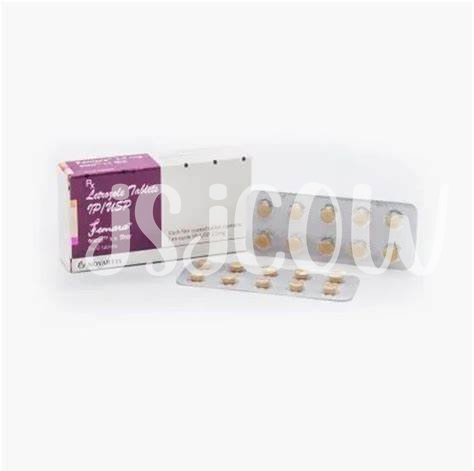
She remembers the first weeks after starting treatment: fogginess and a flat affect that felt new. Clinical studies present a varied picture—some patients report mood shifts, but population-level trials show inconsistent, usually small effects.
Mechanistically, estrogen suppression by aromatase inhibitors can plausibly influence neurotransmitter systems tied to mood, yet randomized controlled trials and meta-analyses often fail to demonstrate a clear, large increase in diagnosed depression attributable to medication.
Adjuvant breast cancer trials sometimes report small absolute rises in self-reported mood symptoms, while fertility studies using low-dose femara/letrozole typically show minimal mood effects, though individual susceptibility makes outcomes variable.
Clinically, the message is pragmatic: monitor mood, document changes, and discuss them with clinicians. Many patients improve with supportive measures, counseling, or medication adjustments, so proactive care reduces distress and preserves treatment adherence. Small changes can make a big difference quickly too.
Femara in Fertility Protocols: Myths Versus Measured Outcomes
Stories online paint dramatic extremes, but clinical trials offer nuance: femara is not a guaranteed fix nor a universal failure, rather a targeted tool assessed by measurable reproductive outcomes today.
Large randomized studies show letrozole often equals or surpasses clomiphene for ovulation and live birth rates, with fewer multiple gestations, supporting evidence-based use instead of relying on anecdotes clinical practice.
Providers individualize dosing, monitor response, and combine femara with adjunctive techniques when indicated; measured outcomes guide decisions, emphasizing safety, realistic expectations, and transparent patient counseling to optimize fertility treatment success.
| Study | Finding |
|---|---|
| RCTs | Comparable live-birth rates |
Bone Health and Long-term Safety: What Trials Show
Clinical trials show aromatase inhibitor therapy can cause bone mineral density loss and an increase in fracture risk during treatment. Randomized studies report declines mainly in spine and hip, prompting guidelines to recommend baseline DEXA scans, calcium/vitamin D, and lifestyle measures to reduce bone loss.
Long-term follow-up data are reassuring: most BMD declines partially recover after treatment cessation and persistently higher fracture rates are uncommon. Prophylactic bone-directed therapies and individualized risk assessment reduce harm. The evidence supports monitoring and targeted prevention to balance cancer benefits with skeletal health over time.