

 Lifestyle Changes to Boost Glucotrol Xl Effectiveness
Optimize Medication Timing with Consistent Daily Routine
Each morning I set an alarm and take my pill consistently as prescribed, anchoring the day and easing worries about fluctuations.
Consistent timing helps maintain steady blood levels, improves absorption, and reduces unpredictable peaks and troughs, complicating management.
Pair doses with routine cues, breakfast, brushing teeth, or a walk, to avoid misses, simplify habits, and limit common food or drug interactions.
Discuss schedules with your clinician to tailor dosing around other drugs, meal composition, and daily rhythms; small adjustments can meaningfully improve consistency, safety, and long term glucose outcomes overall.
| Cue | Example |
|---|---|
| Meal | Breakfast |
| Routine | Brushing teeth |
Balance Carbohydrates to Stabilize Blood Sugar Levels

A small pantry change taught me portion sense and steadier afternoons; predictable meals make medication like glucotrol xl work more reliably daily.
Choosing whole grains and pairing carbs with protein or fiber slows absorption, preventing spikes and supporting consistent blood sugar control all day.
Learn basic carb counting and measure portions; spacing meals helps align peaks with glucotrol xl, reducing unexpected lows and highs throughout the day.
Start with small swaps, like beans, lentils and berries, and consult a dietitian to personalize choices for safety and improved medication effectiveness daily.
Incorporate Regular Exercise to Enhance Drug Response
Morning walks set the pace: a patient describes how short brisk walks sharpened medication timing and mood, making doses feel more reliable.
Aerobic activities improve insulin sensitivity, so combining movement with glucotrol xl can amplify glucose control—start small and build consistency gently over several weeks.
Strength training preserves muscle that uses glucose efficiently; two sessions weekly can boost drug response and reduce blood sugar spikes after meals.
Listen to your body: rest days, hydration, and realistic goals prevent injury and support long-term adherence, helping glucotrol xl work alongside healthy habits.
Manage Weight through Sustainable Diet and Activity
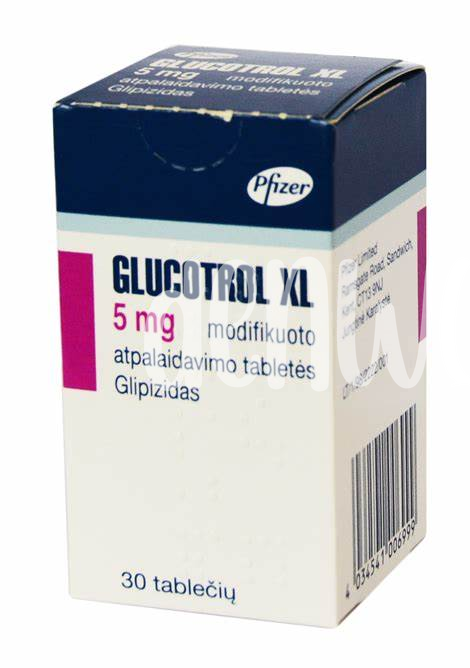
Small, steady dietary shifts can reshape metabolism and make medications like glucotrol xl more effective. Choosing whole foods, controlling portions, and regular meal timing support balanced blood sugar and energy.
Pairing consistent activity with meals improves insulin sensitivity. Short walks, strength sessions twice weekly and daily movement reduce insulin resistance while promoting fat loss without extreme dieting or restrictive habits.
Small, measurable goals and flexible habits encourage lasting change. Track progress, seek support, and consult clinicians about glucotrol xl dosing as weight changes to optimize therapy and reduce complications overall.
Limit Alcohol and Smoking That Affect Glucose Control
When evening gatherings or stress provoke cravings, remember how alcohol can interact with medications like glucotrol xl and amplify hypoglycemia risk. A short story of a neighbor who fainted after drinks underscores a practical rule: plan doses, monitor glucose before and after, and choose mocktails when unsure. Awareness keeps social life vibrant without jeopardizing safety.
Similarly, quitting tobacco improves circulation and insulin sensitivity, making medications more predictable. Gradual strategies—patches, counseling, cutting down—work better than abrupt change for many. Track patterns: note how cravings, nicotine intake, and blood sugar readings correlate. Share findings with your clinician to adjust therapy safely; collaboration reduces surprises and helps maintain steady control while preserving daily routines and enjoyment and freedom.
| Behavior | Effect | Tip |
|---|---|---|
| Alcohol | Can cause hypoglycemia with sulfonylureas | Limit intake; monitor glucose |
| Smoking | Worsens insulin resistance | Seek cessation support |
Prioritize Sleep and Stress Reduction for Stability
One restless night can make glucose control unpredictable; poor sleep raises insulin resistance and may blunt a medication’s effectiveness. Aim for regular sleep schedules and a dark, cool bedroom to support therapy.
Chronic stress elevates cortisol, spikes blood sugar, and undermines treatment. Simple practices like 5-minute breathing exercises, brief walks, or guided mindfulness can lower stress and improve daily glucose stability.
Track sleep patterns alongside glucose readings to spot links, and discuss concerns with your clinician; small routine changes often enhance drug response and significantly reduce unpredictable highs and lows.