

 Keflex Interactions: Drugs and Food to Avoid
How Keflex Works and Why Interactions Matter
I never imagined a simple pill could change how my body handled other medicines; Keflex does that. Its active ingredient targets bacterial cell walls, clearing infections while relying on your liver and kidneys to process it.
But that process can be slowed, sped up, or diverted by other drugs and by certain foods. Interactions change blood levels, reduce effectiveness, or increase side effects.
Doctors consider timing, dose, and kidney function when prescribing. Even over-the-counter remedies or herbal supplements can alter Keflex’s action, so mention everything you take.
Simple habits—like spacing doses and avoiding alcohol—often prevent problems, but ask your clinician if unsure.
| Interaction | Effect |
|---|---|
| Antacids | may reduce cefalexin absorption if taken at once |
| Probenecid | can raise Keflex levels and prolong duration significantly |
| Warfarin | may increase bleeding risk and require regular monitoring |
| Herbs | some herbs alter metabolism; always tell your prescriber |
Common Prescription Drugs That Clash with Keflex
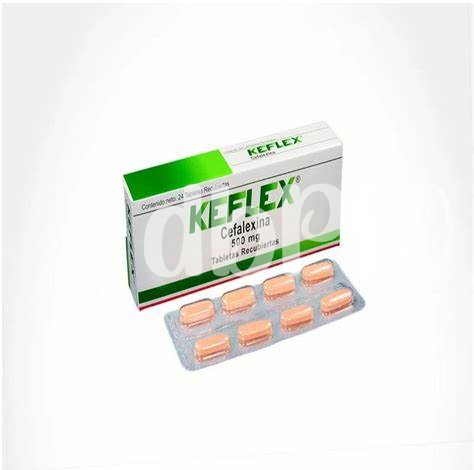
Imagine being prescribed keflex for an infection while already taking other medicines; common conflicts can change treatment safety. Blood thinners like warfarin may have increased bleeding risk, so closer monitoring of INR is usually advised.
Probenecid, sometimes used for gout, reduces renal excretion and raises beta‑lactam levels, which can prolong keflex exposure and increase side effects. Clinicians may lower doses or spread dosing to reduce toxicity when combined in practice.
Some drugs with kidney toxicity, such as aminoglycoside antibiotics or loop diuretics, may amplify renal strain when given alongside cephalosporins. Patients with impaired kidney function require dose adjustments and careful lab follow-up to prevent harm.
Antimetabolites like methotrexate can interact unpredictably, potentially raising adverse effects, and some prescribers worry about antibiotics reducing oral contraceptive effectiveness. Always share your full prescription list so clinicians can anticipate interactions and choose safer alternatives.
Over the Counter Medicines and Supplements to Watch
At the pharmacy counter, it’s tempting to grab pain relievers or antacids without a second thought, but these common products can alter how keflex works. Nonprescription NSAIDs and high-dose antacids may increase side effects or change absorption, so check labels.
Herbal supplements like St. John’s wort and garlic are quietly powerful; they can modify antibiotic levels or raise bleeding risk when paired with certain drugs. Probiotics might help counter gut flora disruption, but discuss timing with your clinician to avoid interference.
Read insert instructions and ask the pharmacist about interactions, especially if you take blood thinners or diabetes medications. Small adjustments—spacing doses or choosing alternatives—often keep therapy safe and effective while on keflex and monitored.
Foods and Beverages That Affect Keflex Absorption

A quick meal can change how fast a drug reaches your bloodstream. High fat meals can slow gastric emptying, so keflex may take longer to work though absorption is similar.
Unlike tetracyclines, dairy and calcium do not significantly block uptake, so milk is usually fine. Antacids, laxatives or other agents that change stomach pH can alter absorption timing.
Alcohol will not reduce antibiotic levels but can worsen nausea or dizziness, so avoid drinking while on treatment. Grapefruit juice does not affect this medicine.
Best practice is taking the pill with a full glass of water and following your prescriber's advice; if you notice decreased effect, worsening signs, or new symptoms, contact your clinician promptly today.
Potentially Dangerous Drug Combinations Requiring Medical Attention
An unexpected prescription can feel urgent, but combining keflex with warfarin may increase bleeding risk. If you use blood thinners, contact your clinician for timely INR monitoring and guidance now.
Probenecid can slow renal clearance and raise cefalexin levels, so doses may need adjustment. Also beware of nephrotoxic combinations like aminoglycosides; report reduced urine or swelling immediately to your clinician.
In rare cases high antibiotic levels or interactions with methotrexate or certain diuretics can trigger serious toxicity. Seek urgent care for severe rash, breathing trouble, high fever, or uncontrolled bleeding.
| Drug | Primary Concern |
|---|---|
| Warfarin | Increased bleeding — monitor INR |
Tips for Safely Managing Keflex Interactions at Home
When I filled my first Keflex prescription, I kept a simple checklist: list all current medications, verify allergies, and note dosing times. A quick review with a pharmacist can catch interactions before they become problems.
Space antacids, iron, and calcium supplements at least two hours away from the antibiotic to improve absorption. Also avoid unnecessary NSAIDs without advice; some over-the-counter pain relievers can worsen side effects or mask worsening infection.
Limit alcohol while you’re on the course—though not directly interactive, it can amplify dizziness or stomach upset. Consider probiotic foods later to restore flora, but separate timing by a couple of hours from antibiotic doses.
Track symptoms daily and finish the prescribed course even if you feel better. If rash, severe diarrhea, fever, or breathing difficulty appear, stop medication and seek urgent care. Keep emergency contacts and medication lists handy.