

 Mounjaro Vs Ozempic: Key Differences and Benefits
Mechanisms of Action: What Makes Them Tick
Imagine two hormonal conductors steering blood sugar and appetite: one targets the GLP-1 pathway, the other conducts both GLP-1 and GIP signals. Semaglutide, a GLP-1 receptor agonist, amplifies glucose dependent insulin release, suppresses inappropriate glucagon, slows gastric emptying, and activates brain appetite circuits. These coordinated effects lower postprandial glucose and reduce calorie intake, translating into meaningful glycemic control and steady weight loss over time.
Tirzepatide combines GIP and GLP-1 receptor activity, producing synergistic insulinotropic responses and more pronounced appetite suppression. By engaging two incretin pathways it can amplify metabolic signaling that improves fasting and postprandial glucose while driving larger weight loss in trials. Although many adverse effects mirror those of GLP-1 therapy, dual agonism may alter tolerability and cardiovascular and lipid effects. Understanding these mechanistic differences helps clinicians match therapy to individual metabolic goals and patient preferences and treatment adherence.
| Drug | Primary target | Additional target |
|---|---|---|
| Semaglutide (Ozempic) | GLP-1 receptor | — |
| Tirzepatide (Mounjaro) | GLP-1 receptor | GIP receptor |
Efficacy and Weight Loss: Who Wins Clinically?

Clinical trials paint a compelling contrast: GLP-1 agonists demonstrate steady weight loss, while tirzepatide (marketed as mounjaro) often produces larger, faster reductions. Patients and clinicians watch for magnitude, speed, and durability when setting expectations.
Head-to-head studies show tirzepatide yields greater mean percent weight reduction than single-receptor GLP-1s, with many participants reaching clinically meaningful thresholds. Still, individual responses vary—baseline BMI, metabolic health, and adherence matter.
Decision-making balances superior weight outcomes against tolerability and cost; some patients accept more GI effects for bigger losses, others prioritize milder profiles. Regular monitoring, shared goal-setting, and combining therapy with nutrition and activity improve long-term success and help tailor the chosen medication to patient priorities and address comorbidity risk reduction goals.
Side Effects and Safety: Balancing Benefits Versus Risks
Patients often hear about dramatic weight loss but also wonder what the trade-offs are. Both drugs can cause gastrointestinal symptoms—nausea, vomiting, diarrhea—and occasionally more serious events like pancreatitis or gallbladder disease. mounjaro adds a distinct risk profile because it acts on different receptors, and injection-site reactions and mild hypoglycemia have been reported, especially when combined with sulfonylureas or insulin. Careful monitoring and counseling help mitigate many of these issues appropriately.
Serious risks remain rare but require attention: thyroid C‑cell tumors were seen in rodent studies, so use is cautioned in those with personal or family history of medullary thyroid carcinoma. Cardiovascular outcomes appear favorable in some trials, yet individual risk factors guide therapy. Shared decision-making—discussing goals, tolerability, pregnancy plans, and monitoring requirements—ensures benefits outweigh risks for each person. Regular follow-up and prompt reporting of symptoms improve safety and treatment satisfaction.
Dosing Schedules, Administration Ease, and Patient Flexibility
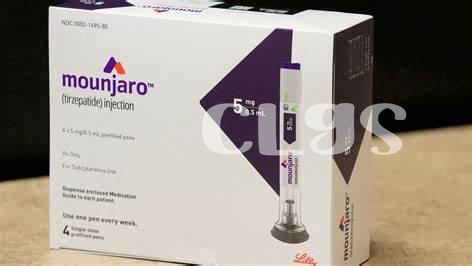
A patient considering injectable therapies often imagines daily injections and complex routines, but reality is subtler: weekly options simplify life, while titration periods require patience. mounjaro offers structured escalation that many find predictable, and pens are designed for straightforward use. Practical details like storage, priming, and travel shape adherence more than abstract efficacy.
Clinicians tailor frequency and dose to goals, balancing convenience with side-effect management; flexible timing helps patients stay on therapy. Insurance approvals, refill cadence, and clinician follow-up create real-world constraints, so shared decision-making matters. Training on injection technique and clear written plans reduce errors, turning a potentially intimidating therapy into a manageable partnership between patient and provider with measurable tracking and ongoing support.
Cost, Insurance, and Access: Real-world Affordability
Sticker shock is common when patients first consider injectable GLP-1 therapies. Prices vary widely between brands, with copays, manufacturer coupons, and pharmacy discounts shaping out-of-pocket costs. For some, mounjaro coupons and patient-assistance programs lower barriers; for others, prior authorization or step-therapy rules delay starts. Clinicians often negotiate with insurers or suggest samples while coordinating paperwork to improve timely access and adherence.
When weighing value, patients should check formularies, estimate monthly out-of-pocket expenses, and compare manufacturer support against long-term clinical benefits. Employers, telemedicine programs, and discount cards sometimes reduce costs, while savings from weight loss and fewer complications may offset treatment expenses over time. Shared decision-making helps align financial realities with treatment goals: discuss alternatives, generic options, or enrollment in trials to secure affordable, sustainable care without sacrificing clinical effectiveness. Health systems and pharmacists can often identify cost-saving pathways quickly too.
| Option | Typical effect on out-of-pocket |
|---|---|
| Manufacturer coupon | Reduces copay short-term |
| Patient assistance | Significant reduction or free for eligible |
| Insurance formulary | Determines copay tier and prior authorization |
Choosing Right Therapy: Personalized Treatment Decision Factors
Choosing between Mounjaro and Ozempic often feels like navigating a forked trail: one path offers dual GIP/GLP-1 action, the other a focused GLP-1 approach. Clinicians weigh patient goals, baseline HbA1c, weight-loss priorities, comorbid cardiovascular or renal disease, and tolerance for gastrointestinal effects. Medication interactions, injection comfort, and the desire for rapid glucose control also shape the recommendation.
Insurance coverage, cost, and patient preference for frequency of dosing can be decisive: weekly options suit many, but dosing flexibility and titration speed influence adherence. Prior history of pancreatitis, med-induced nausea, thyroid cancer risk factors, pregnancy plans, and age require cautious selection. Shared decision-making that includes realistic expectations about weight change, monitoring needs, and follow-up plans helps patients commit and clinicians tailor therapy for optimal outcomes. Genetic background, lifestyle, and goal timelines further refine individualized choices, and cost-effectiveness data. FDA approval Product label