

 Managing Prednisolone Side Effects: Practical Strategies — Bone Health, Glucose, Mood, Infection Risk
Preserve Bone Strength: Everyday Habits and Supplements
Long-term steroid use can quietly erode bone, but small daily choices slow that process. Aim for 30 minutes of weight-bearing activity most days, stop smoking, limit alcohol, and add balance work to reduce falls. Eat calcium-rich foods like dairy, leafy greens, and fortified products, and get sensible sun exposure for vitamin D.
Discuss supplements with your clinician: typical targets are about 1,000–1,200 mg calcium and 800–2,000 IU vitamin D daily depending on age and risk. If bone density falls, treatments such as bisphosphonates or denosumab reduce fracture risk; these need monitoring and dental checks. Maintain regular bone density scans and review steroid dose to minimize long-term harm, and discuss supplements regularly.
| Calcium | Vitamin D | Exercise |
|---|
Keep Blood Sugar Steady: Diet, Meds, Monitoring

When I started prednisolone I noticed my fasting glucose creeping up, so I learned to pair morning meds with a protein-rich breakfast and whole grains to blunt spikes. Small, frequent meals and avoiding sugary drinks reduced afternoon dips and made medication timing more predictable.
Consistent carb portions, timing of doses, and taking prescribed antihyperglycemics when advised helped keep readings steady; logging numbers and reviewing trends with my clinician prevented surprises. If you have diabetes, work closely with your team to adjust insulin or oral agents during dose changes regularly.
Home glucose checks before meals and at bedtime, modest exercise after eating, and choosing low-glycemic snacks are simple habits to protect long-term health while on corticosteroids.
Protect Your Mood: Coping Techniques and Resources
I noticed sharp mood swings on prednisolone; grounding exercises—deep breathing and sensory checks—helped me regain calm quickly and brief walks outdoors daily.
Routine helps: consistent sleep, gentle exercise, and structured activities stabilize mood peaks and troughs during treatment and limit caffeine late.
Talk therapies, peer support groups, and medication review with your clinician offer practical tools and validation when emotions feel overwhelming, including online forums and crisis lines.
If suicidal thoughts, severe agitation, or persistent low mood appear, seek urgent help; prompt adjustments minimize long-term impact and bring someone supportive.
Reduce Infection Risk: Practical Hygiene and Vaccination Tips
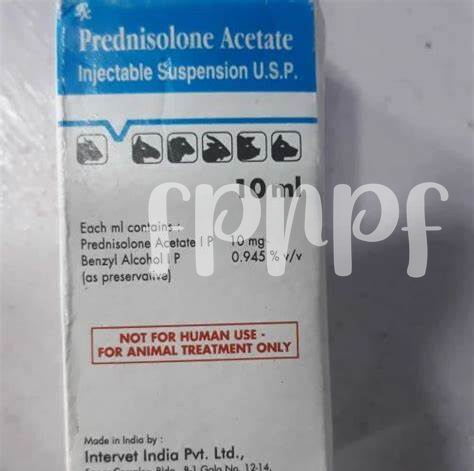
When I started prednisolone therapy I learned that simple habits protect more than I expected. Handwashing with soap for twenty seconds, avoiding crowded sickrooms, and using alcohol gel after transit became rituals that lowered my anxiety.
Discuss vaccines early with your clinician; influenza and pneumococcal shots are often recommended before or during long-term steroid use. Live vaccines may be unsafe while immunosuppressed, so timing matters.
Household measures help too: clean high-touch surfaces, keep fresh air flowing, and ask visitors with coughs to postpone. Wearing a mask during outbreaks is pragmatic, not paranoid.
Report fevers, wounds, or persistent sore throats promptly—steroids can mask symptoms. A clear plan with your healthcare team makes prevention and treatment realistic.
Manage Sleep, Weight, and Skin Changes Effectively
Nighttimes changed when prednisolone arrived: I learned rituals that helped restore rest. Dim lights an hour before bed, a cool room and consistent schedule cue sleep. Limit late caffeine and short daytime naps; if racing thoughts persist, try 10 minutes of guided breathing or a calming app to wind down.
Weight swings and skin respond to practical steps: choose lean protein, fiber and walks to curb appetite and maintain muscle. Moisturize daily, protect from sun and avoid harsh scrubs. Discuss dose timing and topical options with your clinician for flare-ups.
| Issue | Tip |
|---|---|
| Sleep | Routine, cool dark room |
| Weight | Protein, walks |
| Skin | Moisturize, sun care |
Safely Taper, Interact, and Monitor Long-term Therapy
Imagine waking each morning with a checklist: doses, symptoms, and questions to ask your clinician. Work with your doctor to taper gradually, watch for fatigue, dizziness, or joint pain that might signal adrenal suppression, and carry an emergency steroid card. Review all prescriptions and supplements for interactions, especially NSAIDs, anticoagulants, and certain antibiotics.
Schedule regular labs—glucose, bone density, blood pressure, and eye checks—and document changes. If you become ill or need surgery, coordinate dosing with providers. Keep a written plan for tapering, monitoring appointments, and when to seek urgent care.