

 Prelone Interactions: Medicines and Foods to Watch
Prescription Drugs That Increase Steroid Risks Dramatically
A clinician recounts a patient whose swelling worsened after adding a gastrointestinal drug; interactions with systemic steroids can be dramatic, altering metabolism and heightening side effects unexpectedly, causing urgent review.
Strong CYP3A4 inhibitors such as ritonavir or ketoconazole can raise steroid levels, increasing hypertension, glucose intolerance, and infection risk; careful dose adjustment and monitoring become essential in patients.
Combining steroids with loop or thiazide diuretics can worsen potassium loss, provoking arrhythmias; interacting antibiotics and anticonvulsants alter metabolism, and rifampin may reduce steroid efficacy, complicating treatment plans seriously.
Always review prescriptions with your clinician or pharmacist; maintain monitoring for blood pressure, glucose, potassium, and infection signs during steroid therapy and report.
| Drug | Risk |
|---|---|
| Ritonavir | Increases steroids |
Over the Counter Medications and Prelone Interaction Warnings
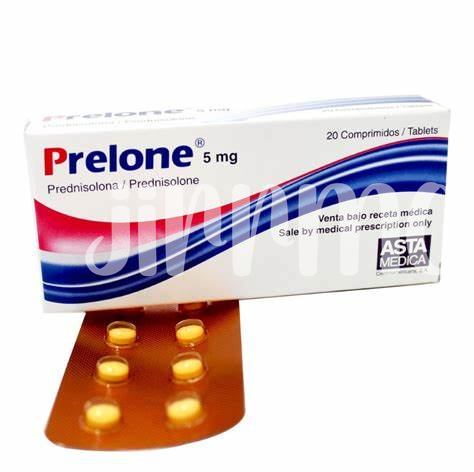
When Mia reached for an ibuprofen for a headache while on prelone, she didn’t expect a burning stomach to follow. Nonprescription NSAIDs and aspirin can combine with corticosteroids to increase gastrointestinal irritation, ulceration, and bleeding — so common pills are not always harmless companions.
Also consider decongestants, antacids, herbal remedies like St. John’s wort, and potassium or calcium supplements — each can change blood pressure, absorption, or steroid levels. Always check labels, avoid mixing without advice, and ask a pharmacist for safe alternatives and monitoring if you use OTC products.
Blood Thinners and Nsaids: Bleeding Risk Amplified by Prelone
When Mary reached for her usual ibuprofen after starting a short steroid course, no one mentioned the extra danger. Steroids like prelone can weaken the stomach lining and amplify small bleeding tendencies; when combined with nonsteroidal anti-inflammatory drugs the chance of ulcers and gastrointestinal bleeding rises.
If you take anticoagulants—warfarin, rivaroxaban or apixaban—risk escalates further: steroid therapy can alter clotting tests and potentiate bleeding. Always tell prescribers, and expect closer INR or coagulation monitoring when combinations are necessary.
Safer choices include acetaminophen for pain, and doctors may prescribe proton pump inhibitors to protect the gut. Watch for black stools, faintness or vomiting blood, and seek urgent care if bleeding is suspected or unusual bruising appears.
Diabetes Meds and Sugary Foods: Glucose Control Versus Steroids
When a physician prescribes prelone, people with diabetes often notice morning glucose spikes. Steroids blunt insulin sensitivity and increase hepatic glucose production, so anticipatory monitoring and dose adjustments are realistic steps to prevent dangerous hyperglycemia.
Oral antidiabetic agents may fail to control steroid-induced hyperglycemia; insulin regimens are frequently intensified during courses of therapy. Communicate frequent readings to providers so insulin can be titrated safely and hypoglycemia avoided afterward when needed.
Steroid therapy often triggers carbohydrate cravings and preference for sweets, so indiscriminate sugary snacks can sabotage control. Plan balanced meals, practice carbohydrate counting, and choose fiber-rich alternatives to blunt rapid postprandial glucose excursions throughout treatment.
Coordinate closely with your diabetes team before starting steroids; medication changes may be temporary but must be planned. Frequent self-monitoring, clear action thresholds, and ready access to provider advice reduce risks and promote safer recovery.
Grapefruit, Alcohol, and Common Foods Altering Steroid Levels
Imagine sipping a tangy juice or raising a glass while on a steroid course; the body’s chemistry can shift unexpectedly. Certain fruits and everyday drinks inhibit enzymes that metabolize medications, so levels of a drug like prelone can climb, prolonging effects and side effects. Small dietary choices may change how long the steroid stays active and how strongly it acts.
Talk with your prescriber about timing, portion sizes, and alcohol use so dosing can be adjusted safely. Watch for signs like sleep disruption, mood shifts, higher blood pressure, or unusual bruising, all possible when metabolism is altered. Carry a medication list and ask pharmacists about food interactions to prevent surprises during therapy, and stay vigilant.
Vaccines, Infections, and Timing of Steroid Doses Carefully
When steroids are needed during infection, timing matters. Short courses can blunt fever and mask worsening signs, so clinicians weigh risks carefully.
Live vaccines are usually deferred on moderate-to-high steroid doses because immune response may be inadequate and rare vaccine disease possible.
Plan steroid timing around immunization when feasible, pausing or delaying doses if recommended. Always inform providers about recent vaccines before starting therapy.
Shared decision making and monitoring reduce harm; document dates, doses, and infection symptoms clearly and promptly; seek urgent care for new fevers, worsening signs. DailyMed NHS