

 Understanding Symbicort Dosage: How Much and When
How Symbicort Works: Dose and Mechanism
An inhaler delivers two complementary medicines in each puff: one quickly relaxes airway muscles for rapid symptom relief, while the other calms inflammation to reduce flare-ups over time. Doses are measured per inhalation, so clarity on puffs per day often matters.
Typical strengths combine an inhaled corticosteroid and a long-acting beta-agonist, labeled by micrograms per actuation. Many adults use one or two inhalations twice daily for maintenance; some clinicians allow additional inhalations as needed for breathlessness.
Because the bronchodilator works within minutes while the steroid modifies airway biology over days to weeks, the combined dosing balances immediate control with long-term prevention. Always follow a prescriber’s plan, report side effects, and adjust only under medical guidance.
| Component | Effect |
|---|---|
| Corticosteroid | Reduces airway inflammation (preventive) |
| Bronchodilator | Relaxes airway muscles quickly (relief) |
| Dose unit | Micrograms per inhalation; puffs/day varies |
Recommended Adult Dosages: Strengths and Daily Schedules

Adults commonly use symbicort inhalers that combine an inhaled corticosteroid and a long‑acting bronchodilator; typical available strengths are 80/4.5 mcg and 160/4.5 mcg per actuation. A usual regimen is one or two puffs twice daily, prescribed to control chronic symptoms while minimizing systemic exposure.
Clinicians may start with the lower strength and step up for persistent symptoms, or reduce dose when control is achieved; changes should be individualized and reviewed periodically. Patients need clear dosing instructions, inhaler technique checks, and advice about using the inhaler both as maintenance and in accordance with any rescue plan provided by their clinician. Regular follow-up, symptom diaries and peak-flow readings help determine ongoing appropriateness of the regimen and safety.
Pediatric Guidelines: Adjusting Dose for Children
Parents learning to manage childhood asthma often feel anxious; starting symbicort requires careful, age- and weight-based dosing chosen by a clinician, with clear instructions on inhaler technique and spacing schedules.
Follow-up visits verify growth, adrenal function when high steroid exposure is suspected, and reinforcement of spacer use; clinics tailor lower or higher strengths based on control, exacerbation history, and adherence.
Emergency plans must include separate rescue inhalers; parents should never adjust symbicort doses without pediatric guidance. Clear action plans empower families to respond promptly to worsening symptoms and seek help.
When to Use Symbicort: Maintenance Versus Rescue
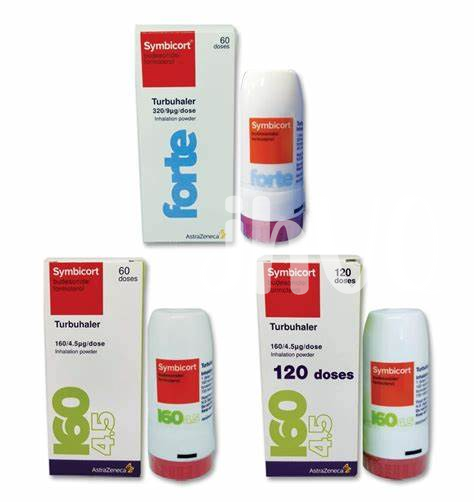
On humid mornings I reach for my inhaler with the cautious ritual of someone who knows asthma’s moods. Daily control keeps airways calm, preventing attacks before they start, and establishes a baseline of breathing comfort.
Maintenance medications, such as symbicort, combine steroid and bronchodilator to reduce inflammation and ease airflow long-term. Used regularly, they lower exacerbation risk; they are not designed for immediate relief of sudden, severe breathlessness or panic.
Rescue inhalers act fast, opening airways within minutes during attacks. Keep a labeled, accessible device for emergencies and follow action plans from clinicians. If rescue use increases, consult your provider—maintenance strategy likely needs adjustment promptly.
Adapting treatment requires a conversation about symptoms, rescue frequency, and lung function tests. Small dose changes should be guided medically, avoiding abrupt stoppage. Regular reviews ensure the regimen remains safe, effective, and suited to life.
Safe Dose Changes: Tapering and Switching Options
When adjusting symbicort, work closely with your clinician to taper safely. Gradual reductions reduce risk of adrenal suppression and rebound symptoms; sudden stops can cause breathing problems. Track symptoms, peak flow and rescue inhaler use so dose changes are evidence-based rather than guesswork and monitoring.
If switching to another inhaled therapy, overlap treatments as advised and consider inhaled corticosteroid tapering schedules. Emergency plan must remain in place; adjust step-up plans based on exacerbation history. Communicate changes to pharmacists, record brands, strengths, and follow-up within weeks for reassessment with your clinician.
| Action | Notes |
|---|---|
| Gradual reduction | Decrease dose over weeks; monitor symptoms and peak flow |
| Switch inhaler | Overlap or bridge per clinician; confirm equivalent strengths |
Managing Side Effects and Monitoring Treatment Effectiveness
Starting Symbicort can feel reassuring and daunting at once; knowing what to watch for turns uncertainty into confidence. Common effects include throat irritation, cough, headache and oral thrush, which good inhaler technique and rinsing can reduce.
Serious reactions are rare but require prompt attention: worsening breathing, rapid heartbeat, or signs of adrenal insufficiency. Keep an emergency plan and contact details ready.
Track symptoms, rescue inhaler use, peak flow readings and side effects in a simple diary or app for a few weeks after dose changes. Regular follow-up lets clinicians adjust dosage, confirm control and minimize steroid exposure.
If symptoms persist despite adherence, spirometry and blood tests help identify causes and guide safe medication changes promptly.