

 Tadarise Interactions: Drugs and Foods to Avoid
Prescription Medications That Dangerously Interact with This Medication
Avoid nitrates like nitroglycerin and isosorbide; combining them can cause severe, potentially fatal hypotension. Imagine sudden collapse or trips when blood pressure crashes.
Use caution with alpha blockers and antihypertensives because additive blood pressure drops may produce dizziness or fainting. Coordination with your doctor often reduces risk. Ask for safer alternatives.
| Drug | Risk |
|---|---|
| Nitrates | Severe hypotension |
| Riociguat | Marked hypotension |
| Alpha-blockers | Orthostatic hypotension |
Strong CYP3A4 inhibitors like ritonavir and ketoconazole raise tadalafil levels; adjust dosing and monitor closely. Always tell prescribers about all medications, including antivirals, blood pressure drugs, and supplements.
Over the Counter Drugs and Supplements to Avoid
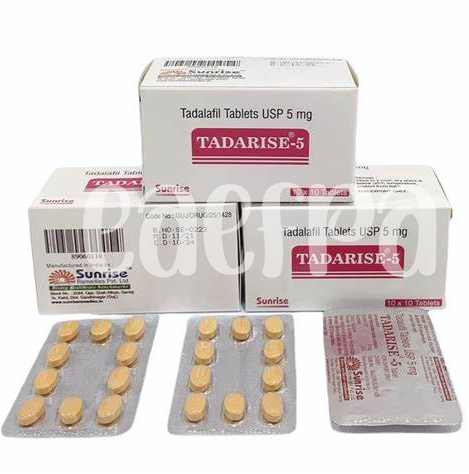
Imagine reaching for a cold remedy after taking tadarise and feeling a sudden dizzy wave—common OTC decongestants like pseudoephedrine or phenylephrine can raise blood pressure and heart rate, increasing cardiovascular strain. Herbal products such as yohimbine or high-dose L-arginine may amplify vasodilation or stimulatory effects, while St. John’s wort can lower tadarise levels by speeding its breakdown. Grapefruit or its juice can raise drug levels and worsen side effects.
Before pairing any over-the-counter remedy or supplement with tadarise, check labels and ask a pharmacist; small herbs and cold pills can have outsized effects. If you experience fainting, severe dizziness, chest pain or sudden vision changes, seek immediate medical attention. When in doubt, pause the supplement, document ingredients, and discuss alternatives with your prescriber so treatment remains effective without unexpected risks. Carry a medication list to every healthcare appointment and pharmacy.
Food and Drink Choices That Amplify Medication Side Effects
When planning meals while taking tadarise, imagine your body as a circuit: some foods flick the switch and intensify effects. Citrus fruits, especially grapefruit, can raise drug levels unexpectedly, while high fat meals may change absorption and timing.
Salty or processed foods can worsen fluid retention or blood pressure changes, amplifying side effects. Caffeine and energy drinks may increase dizziness or heart palpitations when combined with erectile dysfunction medications.
Small adjustments—spacing doses away from heavy meals, avoiding grapefruit, and moderating alcohol and stimulants—usually help. Always tell your prescriber about dietary habits so they can tailor safe, effective advice. Keeping a food diary helps spot patterns and supports discussions during follow up visits with clinician regularly.
Alcohol Interactions: What Happens When Combining with Medication
A single drink can alter how medications act. Alcohol accelerates sedation and can intensify side effects of drugs like tadarise, even small amounts sometimes.
Blood pressure may drop unexpectedly, causing dizziness or fainting when alcohol and vasodilators are mixed. Seek medical attention promptly and stop drinking.
Liver metabolism changes too; alcohol competes with enzymes, raising medication levels and prolonging adverse reactions. It heightens toxicity risk and complicates treatment.
Talk openly with your doctor, avoid drinking while taking interacting drugs, and stagger doses or abstain when advised for safer outcomes overall.
Natural Products and Herbal Remedies Causing Unexpected Interactions
I remember a patient who trusted natural remedies until a brisk herb tea sent his blood pressure tumbling, revealing how easily supplements sneak into prescription pathways. Even mild botanicals can alter enzyme activity and change how tadarise is processed, turning expected relief into dizziness or prolonged effects.
Before trying an herb or extract, consult a clinician and bring a complete supplement list. Simple timing adjustments or stopping a product for a few days can prevent surprises; pharmacies and interaction checkers help, but listening to symptoms and reporting changes remains the best safeguard.
| Herb | Interaction |
|---|---|
| St. John's Wort | May reduce tadarise levels |
| Ginkgo | Could increase bleeding risk |
| Grapefruit juice | May significantly increase tadarise levels |
| Kava | Risk |
Managing Interactions: Timing, Dosing, and Communication Tips
When I learned my partner's Tadarise regimen, timing became a ritual: separate doses from interacting drugs by at least four hours when possible. Staggering reduces peak overlap and lowers risk of adverse reactions during routines.
Adjusting dose requires medical guidance: never halve or double without consulting a prescriber. Clinicians may recommend lower starting doses, gradual titration, or temporary suspension when risks outweigh benefits—patient dialogue guides safe, personalized choices and monitoring.
Always inform every clinician, dentist, and pharmacist about all medications and supplements. Keep an updated list in your phone or wallet, use pharmacy checks, and mention recent over-the-counter purchases to prevent hidden interactions and allergies.
Watch for concerning signs: severe dizziness, chest pain, sudden vision changes, prolonged erection, or fainting. Seek emergency care for these symptoms and report effects at follow-up visits so treatment can be adjusted safely and promptly.