

 Managing Side Effects While on Zepbound
Anticipating Common Symptoms and Their Typical Timing
Starting Zepbound often comes with predictable short-term effects: mild nausea, diarrhea or constipation, fatigue, dizziness and occasional headache. Injection-site redness or itching is common within hours. Most people notice these within the first days, peaking during week one, then improving over two to eight weeks as the body adapts. Knowing this timeline reduces worry and helps plan simple coping steps.
Track timing and severity for each symptom and share notes with your clinician; many effects settle by month two. Use this quick guide:
| Symptom | Timing and course |
|---|---|
| Nausea | starts days 1–3, often peaks in week one then improves |
| Fatigue | begins days 2–7, may persist several weeks |
| Injection-site | appears within hours usually mild and brief transient |
Practical Diet Tweaks to Ease Gastrointestinal Upset
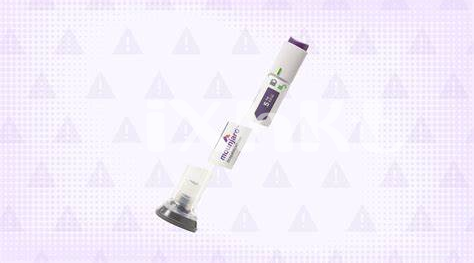
When you begin zepbound, mild food swaps can ease queasiness. Choose bland low‑fat items like toast, rice and bananas. Cold or room‑temperature foods may feel gentler. Eat small, frequent meals rather than large portions to reduce stomach strain.
Hydrate with small sips of water, ginger tea or an electrolyte drink to help nausea and dizziness. Avoid greasy, spicy, very sweet foods, alcohol and excess caffeine while adjusting. Introduce fiber slowly to prevent bloating and constipation issues.
Keep a simple food diary to spot triggers and timing patterns. Try cold snacks, ginger candies or mint for quick relief. If symptoms persist or worsen, contact your clinician — small tweaks often work, but professional advice is essential promptly.
Smart Medication Adjustments and When to Consult
When I began zepbound, small tweaks—taking it with a light snack or shifting timing away from evening coffee—helped. Medication changes should respond to symptoms: for mild nausea, spacing doses from other GI drugs or discussing a temporary dose reduction with your prescriber can help; never adjust dose without guidance. Watch for interactions (blood thinners, diabetes, thyroid meds) and bring a medication list to reviews.
Contact your clinician promptly for severe dizziness, fainting, chest pain, breathing trouble, or allergic signs like hives or swelling. Also consult if weight loss or persistent GI problems impair nutrition, if you become pregnant, plan surgery, or begin new prescriptions so your provider can recommend safe adjustments or tests soon.
Hydration Strategies to Prevent Fatigue and Dizziness
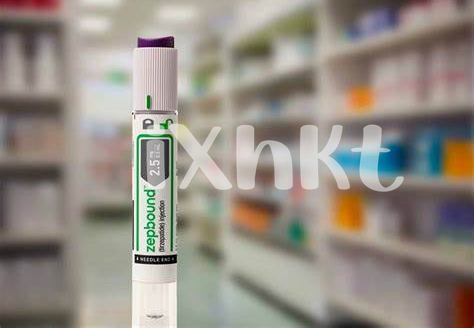
On treatment days I learned to listen to my body, noticing subtle lightheadedness after doses. Simple routines—timed sips of electrolyte water and salty snacks—often made the difference between dragging and moving.
When starting zepbound, monitor symptoms and increase fluids during the first weeks. Aim for steady fluid intake — about two to three liters daily, adjusted for activity and climate; add an oral rehydration solution or sports drink when sweating or vomiting.
Carry a water bottle, set smartphone reminders, and favor hydrating foods like soups and watermelon. If dizziness persists despite these measures or you notice fainting, rapid heartbeat, or confusion, contact your clinician promptly—these can signal a need to reassess medication timing or dosing.
Managing Injection Reactions and Practical Injection Tips
Start by preparing injections calmly: wash hands, let the prefilled pen or syringe reach room temperature, and clean the site with alcohol. For many people taking zepbound, mild redness, itching or a small bruise is common and usually fades within a day or two for best results and consistent dosing.
To reduce discomfort, rotate injection sites and avoid injecting into areas that are tender or bruised. Do not rub vigorously after injection; instead apply a cold compress for ten minutes. Keep a simple log of sites and reactions to discuss with your clinician at follow-up.
Minor swelling or brief pain can be managed with acetaminophen or ibuprofen per label instructions, but stop and seek urgent care if you have chest pain, breathing trouble, rapid swelling, or widespread hives. Dispose of needles safely and bring injection questions to your care team.
| Tip | Why |
|---|---|
| Rotate sites | Reduces tissue irritation |
| Ice briefly | Less pain and swelling |
When to Seek Help: Red Flags and Actions
I felt my heart race and a tightness in my chest the first time something felt seriously off — those are the kinds of red flags you shouldn’t ignore. Severe shortness of breath, swelling of the face or throat, sudden dizziness or fainting, chest pain, or signs of infection at the injection site (rapid spread of redness, warmth, pus) require immediate evaluation. Persistent vomiting, severe abdominal pain, or new suicidal thoughts also demand urgent attention.
If you notice any of these signs, seek emergency care for breathing trouble, throat swelling, chest pain, or fainting. For worsening but non-life-threatening issues, contact your prescriber or pharmacist and arrange evaluation. Document symptoms, timing of doses, and photos of injection sites to share with clinicians. Don’t hesitate to bring a friend, and ask about next steps, temporary stopping, or treatments such as antibiotics or urgent labs.