

 Zoloft Withdrawal: Symptoms, Timeline, and Safe Strategies
Unexpected Symptoms When Stopping Zoloft: What to Expect
I stopped Zoloft once and felt like the floor shifted — sudden dizziness, strange electric twinges, and an unexpected fog around my thoughts. Those jolts and sensory oddities are common; knowing they can appear suddenly helps you recognize them as withdrawal signals rather than new illnesses.
Expect mood swings, vivid dreams, sleep disruption, and brief sensory disturbances like tinnitus or taste changes. Track symptoms, talk with your prescriber, and avoid abrupt stops. Most effects ease over weeks to months, but prompt support and a gradual taper significantly reduce intensity and speed recovery.
| Symptom | Description |
|---|---|
| Dizziness | Lightheadedness, unsteady feeling |
| Brain zaps | Brief electric shock sensations |
| Vivid dreams | Intense, often unsettling dreams or nightmares |
Typical Timeline for Symptom Onset and Resolution

When stopping zoloft, many people notice first changes within days: lightheadedness, sleep shifts, or a low mood that feels familiar yet sharper.
Weeks two to four often bring fluctuating symptoms—headaches, nausea, irritability—and for some, brief electric shock sensations called brain zaps.
By one to three months most acute signs ease; sleep and appetite gradually normalize, though anxiety or mood dips can linger intermittently.
Severe or prolonged withdrawal is uncommon but possible, especially after long-term use; consult clinicians for tailored tapering and support and practical coping strategies available for individual needs.
Common Physical and Psychological Withdrawal Symptoms Explained
When I stopped zoloft, the early days felt like a storm of small assaults: dizziness, brain zaps and a washing flu-like fatigue that made simple tasks daunting. Physical signs often include nausea, headaches, sweating and sleep disruption, while sensory oddities and tremors can be unsettling.
Psychological effects frequently involve heightened anxiety, irritability and mood swings, plus trouble concentrating and low motivation. These symptoms vary by dose and duration of use; gradual tapering and medical guidance reduce intensity, while supportive therapies ease distress and help restore balance over weeks to months.
Risk Factors That Make Withdrawal More Severe
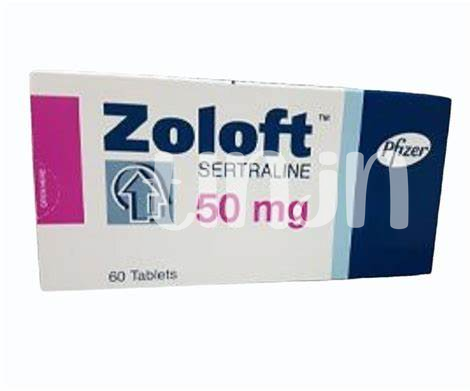
People who’ve taken zoloft at high doses or for years often describe withdrawal as intense—their brains have adapted to the drug’s effects, so stopping can trigger chemical shifts. Sudden discontinuation raises the chance of spikes in dizziness, flu-like symptoms, and mood destabilization.
Coexisting mental health conditions (severe anxiety or bipolar disorder) and illnesses can complicate recovery, as can use of multiple medications that interact with serotonin pathways. Older adults and those with liver or kidney impairment clear medications differently, which may prolong symptoms.
Previous experiences with stopping SSRIs, inadequate tapering schedules, or lack of social support predict tougher courses; planning a gradual taper with medical supervision, monitoring, and coping strategies reduces risk and eases transition.
Safe Tapering Strategies Backed by Clinical Guidance
When I first discussed tapering zoloft with my clinician, the plan felt like a roadmap, not a cliff. Clinicians recommend gradual dose reductions—often 10%–25% every few weeks—adjusted to symptoms to reduce shock and preserve functioning.
A personalized taper uses small dose steps, switching to longer-acting formulations when helpful, and pausing or slowing if withdrawal emerges. Regular follow-up, symptom tracking, and flexibility are central; abrupt cessation is discouraged because relapse and intense discontinuation effects are common.
Discuss adjunct strategies such as temporary bridging medications, psychotherapy, sleep hygiene, and exercise. Document changes, involve prescribers in decisions, and prioritize safety. Thoughtful tapers aim to minimize distress while maintaining treatment gains and supporting long-term recovery. Call prescriber if needed.
| Step | Example |
|---|---|
| Initial reduction | 10% every 2–4 weeks |
| Adjust if needed | Pause or smaller step |
Coping Tools: Lifestyle, Therapies, and Medication Options
After stopping sertraline, build small routines that steady your nervous system: morning walks, consistent sleep, hydration, and gentle stretching. These anchor days and reduce intensity of dizzy or emotional spikes.
Therapies like CBT, mindfulness, and EMDR can reframe anxiety and manage mood swings; regular sessions give skills to tolerate discomfort and prevent relapse.
When needed, clinicians may prescribe short-term meds or slower cross-tapers; discuss history, symptoms, and goals so treatment fits your risks and supports gradual recovery. Track symptoms daily and communicate changes promptly with your care team for safety.