

 Real User Stories: Quitting Smoking with Zyban
Starting the Medication: Expectations and First Week Surprises
I started Zyban with a mix of hope and nervousness; my doctor had warned about delayed effect and possible sleep changes. The first two days felt underwhelming, but knowing it can take weeks eased impatience and kept me committed.
Cravings remained spicy on day three, yet patches of clarity appeared: fewer morning smokes and a surprising drop in urge intensity while working. I tracked moods and triggers, learning when to step outside or call a friend before lighting up.
Side effects showed—mild headaches and vivid dreams—but were short-lived and manageable with hydration and sleep hygiene. My clinician adjusted timing, which reduced trouble sleeping and reinforced that persistence often precedes real progress and rewarded determination too.
| First Week | Tip |
|---|---|
| Days 1–3 | Expect little change; record triggers |
| Days 4–7 | Cravings may shift; use support and adjust timing |
Battling Cravings: Strategies That Actually Helped
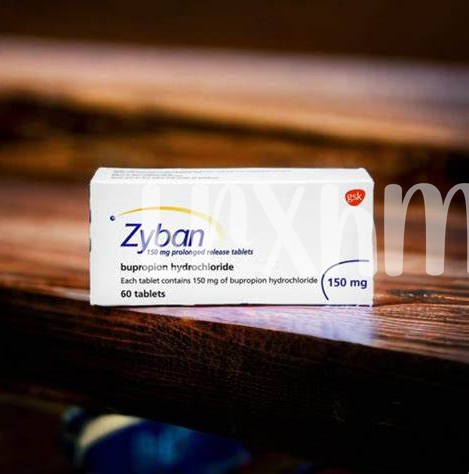
I remember the first intense craving—the world narrowed to a single cigarette. I used a rule: wait ten minutes, breathe deeply, and name three things I could see. That pause often turned an urgent urge into a passing wave.
My doctor prescribed zyban, which blunted the physiological drive and made cognitive strategies more effective. Knowing medication would reduce intensity gave me confidence to practice techniques without relying on willpower alone.
I kept crunchy snacks, sugar-free gum and water handy, and replaced smoking routes with walks. Distraction worked: phone puzzles, chores, or calling a friend.
Track patterns to anticipate high-risk times, and combine medication with support. Relapses happen; each one teaches a tweak to your plan.
Mood Swings and Side Effects: Real User Experiences
Early on many described sudden irritability and tearfulness, catching them off guard. Expectations met with surprise as moods fluctuated day to day. Knowing this helped them prepare and reduced panic during the uncomfortable first weeks.
Physical side effects varied: headaches, dry mouth, nausea and vivid dreams were common. Some users blamed sleep disruption more than mood changes. Most reported that symptoms lessened after two to three weeks of consistent dosing.
Practical tips eased the journey: regular exercise, hydration, small frequent meals and sleep routines helped stabilize emotions. Journaling tracked triggers and patterns. Anyone experiencing severe agitation, suicidal thoughts or intolerable symptoms sought immediate medical advice.
Several people noted that zyban felt like a bridge—rough at first but enabling clearer thinking by week four. Combining medication with support networks and behavioral strategies increased success and made side effects more generally manageable.
Support Networks: Partners, Groups, and Accountability

My partner’s steady presence made the first month manageable; he learned when to distract me during intense urges and celebrated small victories like a week without a cigarette. Joining a local support group provided practical tips—breathing exercises, nicotine-free alternatives—and peers shared how zyban helped reduce cravings. Their empathy turned awkward withdrawals into solvable challenges.
Accountability mattered: weekly check-ins with a friend and tracking smoke-free days kept momentum. Healthcare providers suggested monitoring mood and adjusting doses when side effects emerged, while online forums offered 24/7 encouragement and relapse strategies. Combining medication like zyban with structured support created a safety net—relapses became temporary lessons, and steady encouragement rebuilt confidence one day at a time for lasting change.
Hitting Setbacks: Relapses, Lessons, and Recovery Tactics
A sudden slip surprised me on week six; I felt guilt and wondered if months of progress evaporated. Talking honestly with a friend reframed the moment as data, not failure. I mapped triggers — stress, evening routines — and learned to spot patterns early. That mindset turned a lapse into a lesson instead of an ending.
I returned to practical tactics: timing doses, using zyban as prescribed, swapping cigarettes for short walks, and rehearsing refusal lines. When cravings hit I used breathing and brief distractions, then reviewed what triggered the urge. Small recoveries rebuilt confidence quickly, while accountability kept me moving forward rather than punishing every misstep.
| Cause | Tactic |
|---|---|
| Stress | Walk |
| Social | Delay |
| Boredom | Hobby |
Life after Stopping: Long Term Benefits and Reflections
Months after finishing Zyban, many former smokers describe a subtle but steady reclaiming of daily life: deeper breaths on morning walks, coffee that tastes sharper, and fewer impulsive urges when stressed. Clinically, bupropion’s long-term benefit is reduced relapse risk by altering reinforcement pathways; combined with new routines and coping skills, it makes slips less likely to become full relapses. Physical gains—improved circulation and lung function—often follow within months, reinforcing motivation.
Emotionally, people report pride, clearer sense of identity: they become the person who no longer needs cigarettes. Ongoing strategies—annual check-ins with a clinician, mindfulness and peer support—help sustain gains, catch setbacks early. Some note weight changes or lingering mood shifts, reminding readers to stay connected with healthcare providers. These reflections underline that stopping is a process, not an event, and benefits multiply when medication, behavior change, and community work together. FDA Zyban label Cochrane review: bupropion SR for smoking cessation